
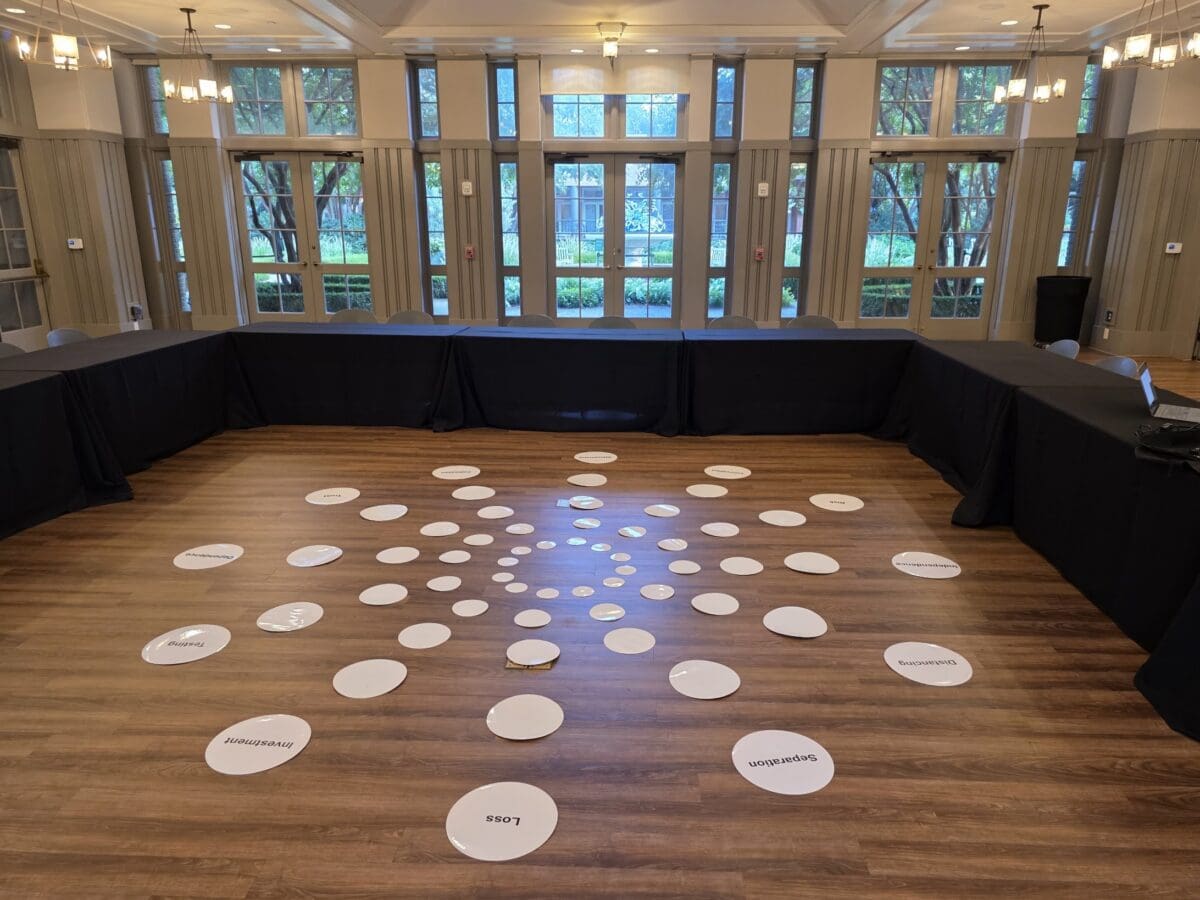
A cyclical view of change eases the pain. Not only can you anticipate change, but you can predict what is most likely to happen and in what timeframe. Loss always follows change. Rebooting always follows loss. Recalibration always follows rebooting. Change always follows recalibration. All you have to know is where you are in the cycle to know what’s coming next.
More than just a group icebreaker in a corporate retreat, the change cycle is natural to all human relationships. Over the lifespan of a living entity, we go through wave after wave of deeper investment, closer connection, more daring innovation, and more effective navigation of life’s transitions. Each successful round feeds us with the tools we’ll need for the next phase.
Managing change effectively prepares us for reinvesting in the next opportunity. Those investments provide the foundation for renewed relationships. Those partnerships create something novel. We react to the differences and start another cycle.
Strategic planning is a living, breathing, dynamic exercise in resilience. We predict a future and then adapt to the reality that unfolds in ways unlike our prediction. Once we’ve made those adjustments, we do it again, and again, and again, and…